Eight years running a multi-million dollar restaurant and every piece of technology it depends on.
Now taking that into technology as a career. Salt Lake City, usually on the ground.
This page is the demoYou are reading it through the exact architecture the write-ups describe.
No open portsThe server dials out to the edge and holds the connection open. There is no port forward on my connection. Requests reach this site only through that tunnel.
Certificates handledTLS issued and renewed automatically at the edge, so there is no renewal for me to forget.
I have run a restaurant for eight years. Not just the P&L and the health inspections,
but the website, the online ordering, the DNS, the email, the backups. When something technical
broke, there was no IT department behind me. I was the IT department.
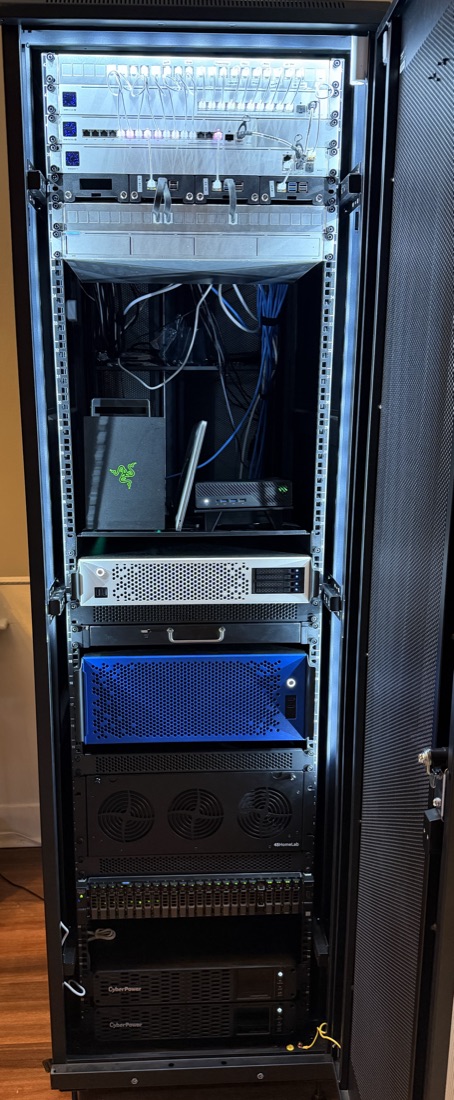
The homelab is where I take that further than the business ever needed: a four-node cluster
in a full rack, a network segmented into VLANs the way an enterprise would do it, single sign-on
with hardware keys, monitoring that pages my phone, backups I have actually restored from, and
private services reachable from anywhere without a single open inbound port.
I build most of the automation around it with AI coding tools, and I check their work against
the live system before I trust it. The write-ups above walk the designs end to end, trade-offs
and failures included.
I could tell you it works. It felt better to show you: the page you are reading
right now is served from that rack, through that exact pattern.
I want to know why before I touch anything. I read the docs first, then I check the actual
system, because the two disagree more often than anyone admits, and when they do, the system wins.
I don't trust "it said OK." I go look at the thing that was supposed to change. I once had an
alert system look healthy for weeks while every page it sent went nowhere.
When I fix something, I write down what happened and what I'd check next time, so the next
person isn't starting from zero. Usually the next person is me in six months.
And I test the things nobody tests, like whether the alert really reaches my phone, or whether
the backup login still works when the main one is down. Those only fail on the day you need them.
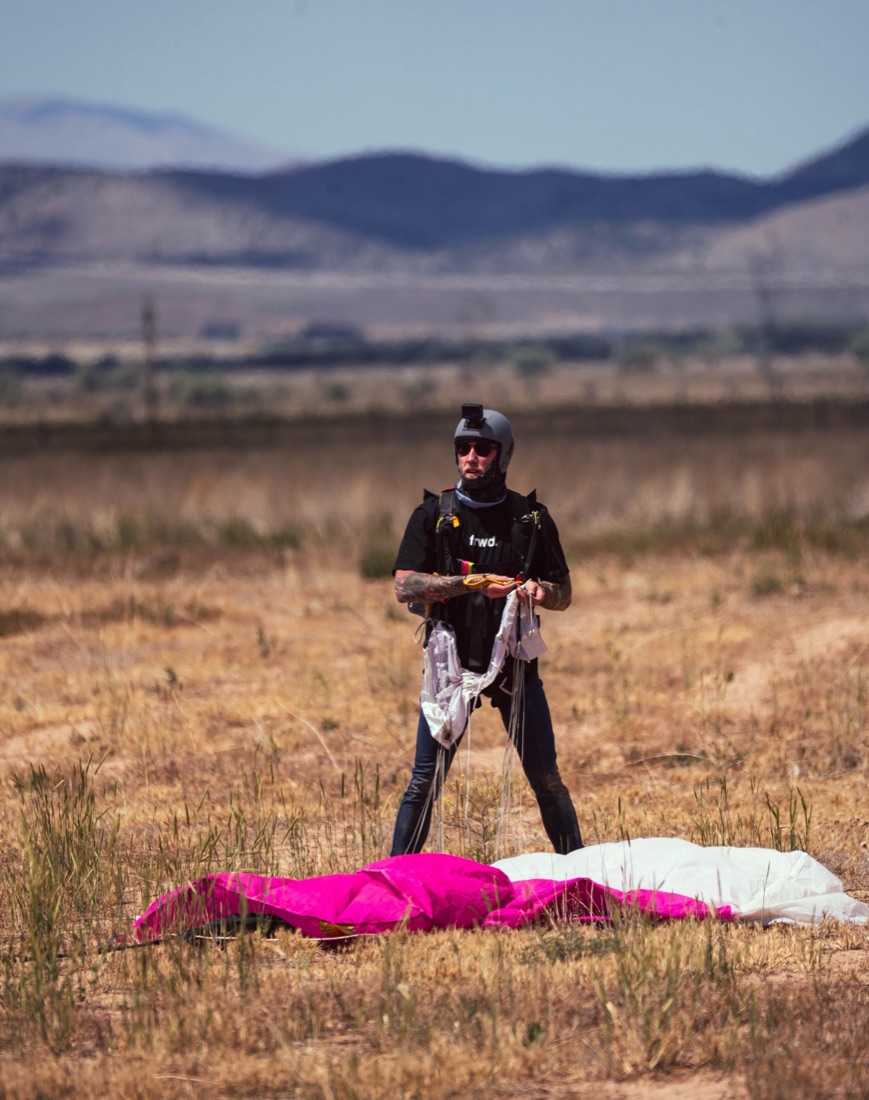
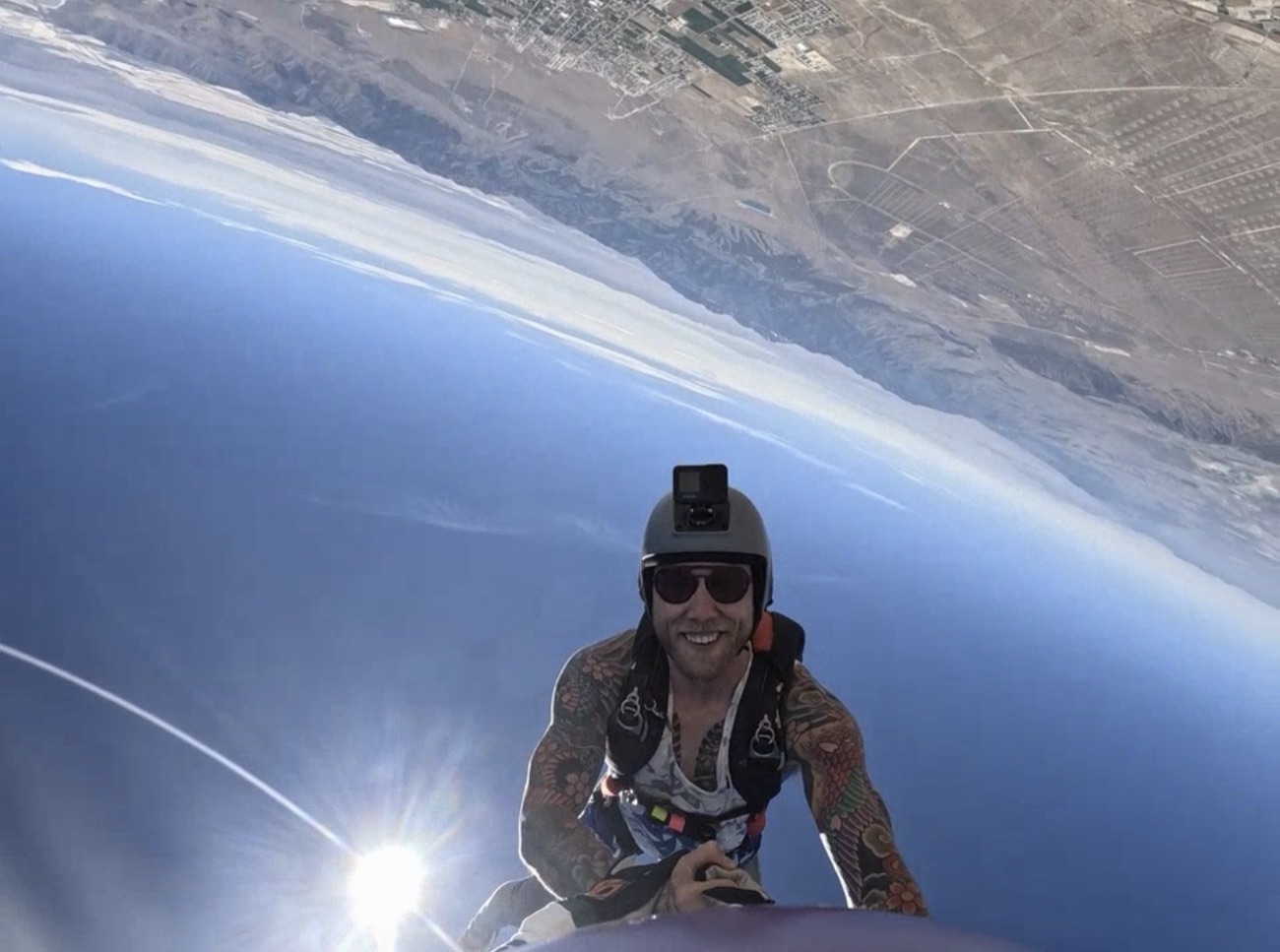
Off the clock: more than 500 skydives, twenty-odd BASE jumps, and an
instructor rating that lets me teach first-time students in freefall. Turns out I like
risk management as a hobby too. Different altitude, same discipline: know your gear,
check it twice, respect the things that can go wrong, and stay calm enough to talk
someone else through it.